

Why Salt Water Isn’t the Best Choice for Hot Tubs
Saltwater hot tubs have gained popularity as an alternative sanitation method, often promoted as being gentler on the skin and easier to maintain. However, there are several hidden drawbacks that can affect the performance, longevity, and overall enjoyment of your hot tub.
In this guide, we explore how saltwater hot tubs work and the key reasons why they may not be the best choice for long-term use.
How Saltwater Hot Tubs Work
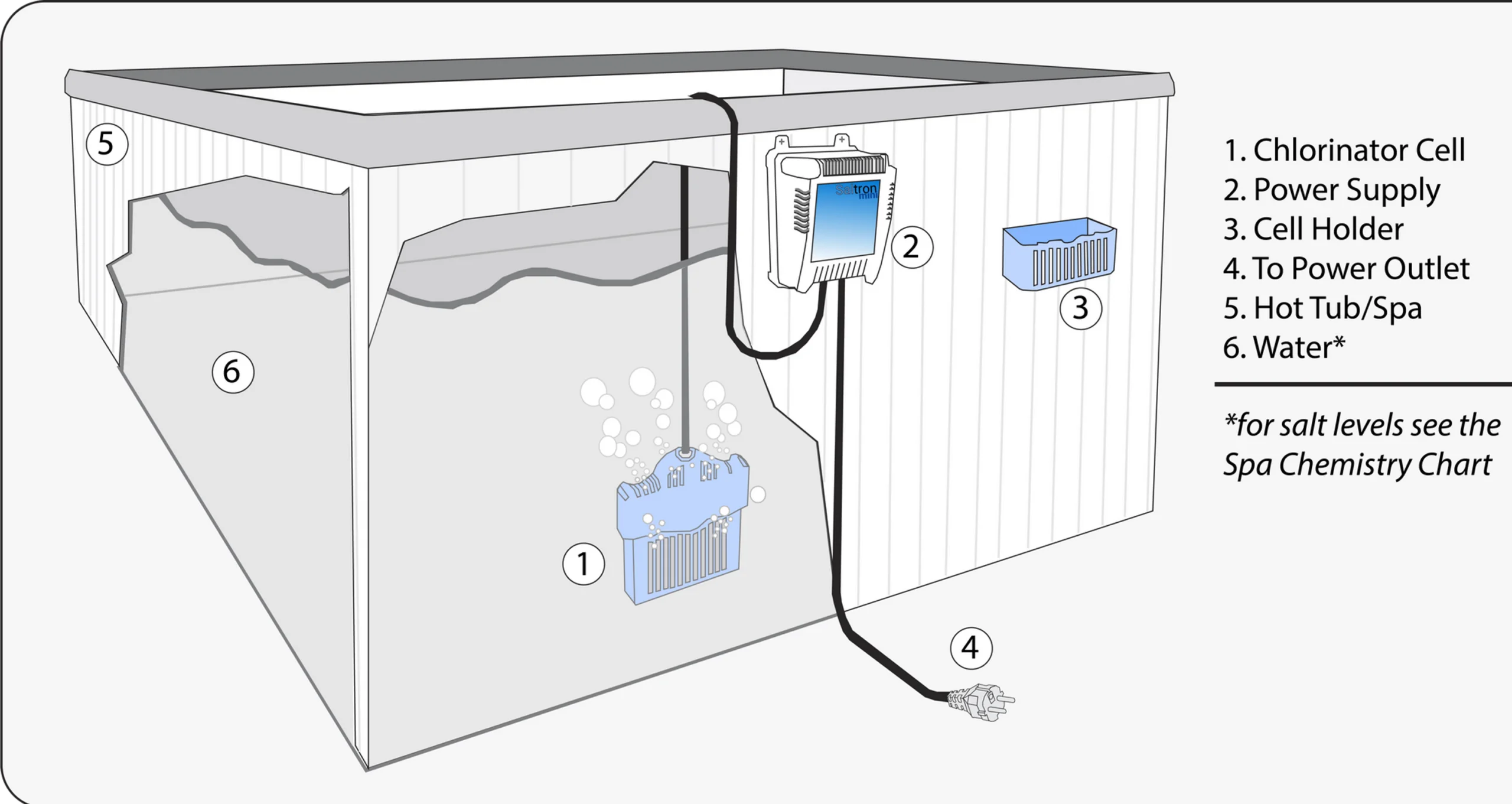
Saltwater hot tubs use a process called electrolysis to generate chlorine from salt. This system allows the hot tub to produce its own sanitizer instead of requiring frequent manual chemical additions.
Salt Chlorine Generator (SCG)
A salt chlorine generator is the main component of a saltwater hot tub. It uses electrically charged plates to convert salt in the water into chlorine.
Electrolysis Process
During electrolysis, salt (sodium chloride) is broken down into sodium and chloride ions. These react with water to form hypochlorous acid, which acts as a powerful sanitizer that kills bacteria and contaminants.
Sanitizing the Water
The chlorine produced during this process keeps the water clean. While it reduces the need for manually adding chlorine, the system still relies on chlorine as the primary sanitizer.
Salt Concentration
Saltwater hot tubs require a specific salt level, typically between 2500–4000 ppm. Maintaining this level requires regular monitoring and the addition of salt when needed.
pH and Alkalinity Balance
Even with a salt system, users must regularly test and adjust pH and alkalinity levels to keep the water balanced and safe.
Problems with Saltwater Hot Tubs
Corrosion and Damage
Salt is naturally corrosive. In a hot tub environment with heat and moisture, it can accelerate the deterioration of metal components, seals, and surfaces. Over time, this may lead to leaks, damage, and expensive repairs.
Higher Maintenance Than Expected
Despite being marketed as low-maintenance, saltwater hot tubs still require frequent monitoring, cleaning, and system calibration. Tasks such as managing salt levels, cleaning buildup, and maintaining the generator can become time-consuming.
Skin and Eye Irritation
While often considered gentler, saltwater can still cause irritation. High salt levels may dry out the skin, and the chlorine produced can irritate the eyes and skin if not properly balanced.
Environmental Impact
Disposing of saltwater can negatively affect surrounding soil and water systems. Additionally, the energy required to run the salt chlorine generator contributes to environmental impact.
Still Dependent on Chlorine
Saltwater systems are not chemical-free. They still rely on chlorine for sanitation, meaning users are still exposed to chemical-based water treatment.
Excessive Salt Usage
Maintaining proper salt levels requires adding large amounts of salt over time. This can increase costs and further contribute to corrosion issues within the hot tub system.
Final Thoughts
While saltwater hot tubs offer the convenience of generating chlorine automatically, they come with several important drawbacks. Issues such as corrosion, maintenance demands, skin irritation, environmental concerns, and ongoing chemical reliance should all be considered before choosing a saltwater system.
Taking the time to understand these factors can help you make a more informed decision and choose a hot tub system that offers better long-term performance, durability, and overall user experience.