

As the owner of Eco Spa Alberta, one common question is:
How will I know when it’s time to change the water in my Eco Spa?
Even though Eco Spas are designed to use fewer chemicals and keep water cleaner for longer, there will still come a time when your spa needs a fresh start.
This guide will help you recognize the signs that your water needs to be changed, explain why Eco Spas require far less maintenance than traditional hot tubs, and share tips to help extend the time between water changes.
Why Does Hot Tub Water Need to Be Changed?
Over time, even the cleanest hot tub water collects oils, sweat, lotions, and other contaminants from regular use. Combined with the buildup of chemicals and minerals, this can lead to:
-
- Cloudy or discolored water
- Foam or scum buildup
- Persistent odors
- Difficulty maintaining proper chemical balance
Traditional hot tubs often need water changes every 3–4 months because they rely heavily on chemicals for sanitizing and usually do not have the advanced filtration systems found in Eco Spas.
How Eco Spas Reduce the Need for Frequent Water Changes
Eco Spas are designed to minimize water changes with innovative features that keep water cleaner for longer.
Here is what makes them different:
1. Bacteria-Resistant Build Materials
Eco Spas are made with non-porous, antimicrobial materials that naturally resist bacteria and biofilm buildup. This helps keep the spa surfaces cleaner and reduces the contaminants entering the water.
2. Eco-Ozone Natural Spa Sanitizer
The Eco-Ozone system is a plasma discharge ozone generator that naturally kills bacteria, viruses, and other impurities in spa water. It works alongside minimal chlorine or bromine use, helping keep the water clean without overloading it with chemicals.
3. Dual Large Filters
Eco Spas include two high-efficiency filters that trap dirt, oils, and debris more effectively than smaller single-filter systems. This improved filtration reduces strain on sanitizers and keeps water
cleaner for a longer time.
Together, these features greatly reduce the need for chemical treatments and frequent water changes, making Eco Spas both eco-friendly and easy to maintain.
Signs It’s Time to Change Your Eco Spa Water
Even with Eco Spas’ advanced features, there will eventually come a time when the water needs to be replaced.
Watch for these signs:
Cloudy or Murky Water
If the water looks dull or cloudy even after regular maintenance, it may be time for a refresh.
Persistent Foam or Scum Lines
Oils, lotions, and detergents can build up over time, creating foam or residue that does not go away with cleaning.
Unpleasant Odors
If your spa water smells bad even though sanitizer levels are correct, it may be oversaturated with contaminants.
Chemical Imbalance
If you are having trouble maintaining pH, alkalinity, or sanitizer levels, the water may have reached its limit.
It’s Been a Year or More
While traditional hot tubs often require water changes every 3–4 months, Eco Spa owners can often go
6 months to a year depending on usage.
How to Change Your Eco Spa Water
When it is time to change your spa water, follow these simple steps:
1. Turn Off the Power
Switch off the breaker to protect your spa’s pump and heater during the process.
2. Drain the Water
Use the built-in drainage valve or a submersible pump for faster emptying.
3. Flush the Plumbing
Run a line flush product through the system to remove hidden buildup inside the pipes.
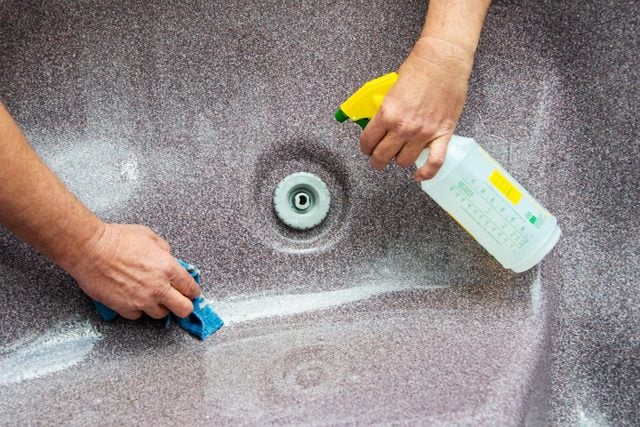
4. Clean the Shell
Wipe down the interior using a non-abrasive cleaner, then rinse thoroughly so no residue is left behind.
5. Refill with Fresh Water
Use a hose with a filter attachment to remove minerals and impurities while refilling the spa.
6. Balance the Water
Test and adjust pH, alkalinity, and sanitizer levels. Let the water circulate for a few hours before using the spa.
Tips to Extend the Time Between Water Changes
Want your Eco Spa water to last as long as possible? These tips can help:
- Shower Before Using Your Spa: Rinsing off oils, lotions, and sweat before soaking reduces contaminants in the water.
- Keep the Cover Sealed: Eco Spas’ insulated hard covers with Power Clamps help keep debris out and preserve water quality.
- Rinse Filters Regularly: Clean your filters monthly to maintain strong filtration performance.
- Use Eco-Ozone Effectively: Let the ozone system run as recommended to naturally control bacteria and impurities.
- Rinse Swimwear: Detergent residue on swimsuits can create foam and disrupt water balance, so rinse them thoroughly before use.
Why Eco Spas Are Perfect for Alberta
In Alberta, freezing winters and dusty summers can make hot tub maintenance feel more demanding.
Eco Spas are built to handle these conditions while reducing the time and effort needed to keep them running.
- Energy Efficiency: Thick insulation and advanced heating systems help keep operating costs low, even during subzero temperatures.
- Durability: Eco Spas are made with weather-resistant materials that stand up to Alberta’s extreme conditions.
- Eco-Friendly Design: Reduced chemical use and fewer water changes help minimize environmental impact.
Final Thoughts
Even with Eco Spas’ advanced technology and materials, changing your water is still an important part of hot tub ownership. Knowing when to refresh your water helps ensure a clean, safe, and enjoyable spa experience every time.
With bacteria-resistant materials, dual large filters, and the Eco-Ozone system, Eco Spas are designed to make ownership easier and less stressful.
If you are looking for a spa that is low-maintenance, eco-friendly, and ideal for Alberta living,
Eco Spa Alberta offers a solution designed to work with your lifestyle.